By Elizabeth Hsiao
February 28, also known as Peace Memorial Day in Taiwan, acts as an official public holiday for all Taiwanese citizens. Each year, many people take this chance to visit family, travel, or simply take a break from work. However, the start of the 228 incident is a gruesome one, and definitely a piece of Taiwanese history that needs to be remembered.
Background
Following the Japanese government’s surrender after the two notorious atomic bombs landed in Japan, the Nationalist Government of China established the Taiwan Provincial Executive Office. The office took over Taiwan’s executive, legislative, judicial, and military powers. The government was initially trusted by the citizens to recover from the Japanese colonization. Soon after its arrival, however, citizens realized that the office merely brought yet another colonial rule to Taiwan. Dissent thus rose in the country, until a cigarette incident served as the last straw for Taiwanese citizens’ patience.
The Last Straw
On February 27, 1947, agents of the Nationalist Government caught a middle-aged widow selling illegal cigarettes after a report of illegal trading. At that time, goods such as matches and cigarettes were monopolized by the central government. Many people therefore chose to smuggle these goods to earn money. The widow was left bleeding and unconscious after being hit by a gun barrel by an agent. Witnessing this, bystanders at the market started shouting at the agents. Without much hesitation, the agents shot their guns as a warning to quell the situation. Unfortunately, one of the bystanders was shot. The man was pronounced dead the next day. On February 28, the day after the attack, angry citizens gathered and protested at the Monopoly Bureau Building in Taipei. Instead of providing an appropriate explanation, the government attacked the protesters using machine guns and killed numerous people. The news quickly spread out, and the rest of the country soon followed the opposition. None of this would have happened under regular circumstances. The whole incident started with a regular investigation into trading. However, due to the careless response of the Nationalist Government, it escalated into one of the largest tragedies in Taiwanese history.
Taiwanese Settlement Committee for 228 Incident
In early March after the incident, the Taiwanese Settlement Committee for 228 Incident was established. The government promised Taiwanese citizens that they would “agree to reform” certain laws and address the aftermath of the 228 incident. Citizens’ opposition decreased after the promise was made. However, the government once again failed to meet citizens’ expectations. On March 8th, Chinese troops summoned by the Nationalist Government arrived from the coast of Keelung, a city in northern Taiwan. The troops launched a massacre, suppressing information and killing people from north to south. Later on, Qing Xiang (清鄉) was carried out by the Nationalist troops, killing innocents throughout the country. Many people were also captured and never returned. Countless families were broken and villages were destroyed.
Aftermath
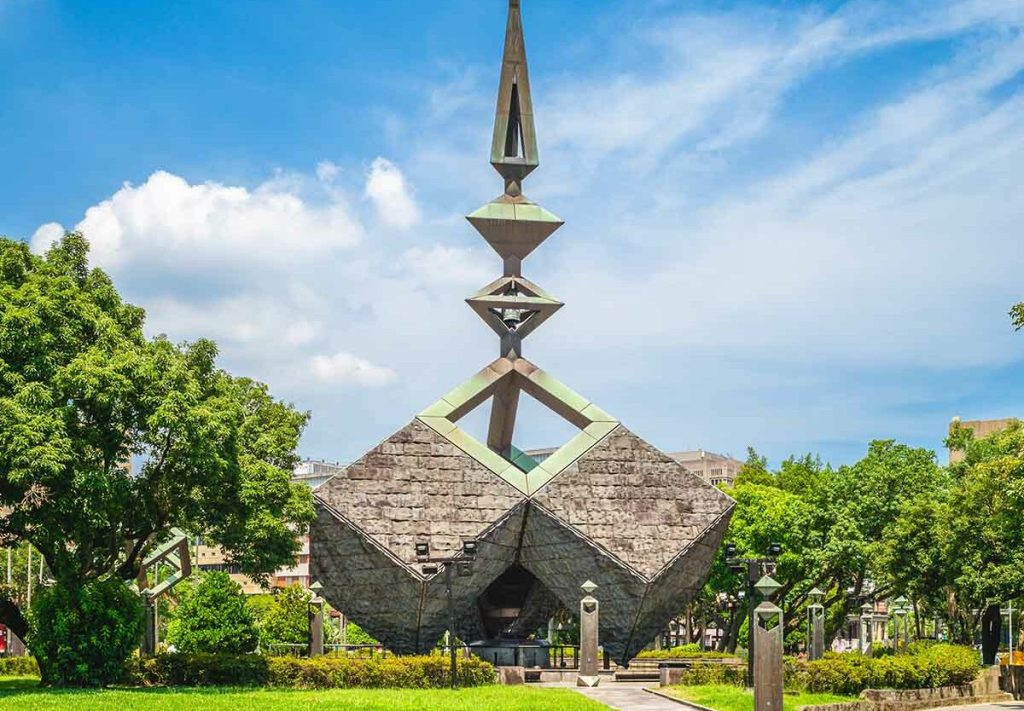
The 228 Incident remained a taboo for several years. Research on this piece of history was prohibited, and people were cautious with mentioning the topic. It was not until the 1990s when Lee Teng-Hui, Taiwan’s first citizen-elected president, actively began to address the incident. In 1995, 228 Peace Memorial Day was established to remember and mourn those who died during the incident. In the following years, 228 Peace Park and National 228 Memorial Museum were also established to preserve the history of the 228 incident. Through these sites, people can learn about how human rights and democracy developed from this chapter of history.
What It Means Today
Though more than 7 decades have passed, the 228 incident remains a deep scar from the past. Even though younger generations did not experience the 228 incident, the past should not be forgotten. As people take a rest from their busy lives with the 228 holiday break, they must not forget the story behind this day. The lives lost and blood shed during the incident were a process that led to the democracy that Taiwan owns right now. Therefore, the incident should be remembered both by the government and citizens to prevent history from repeating.
Works Cited
台北二二八紀念館 (2012) 台北二二八紀念館. 臺北市政府文化局. Available at: https://228memorialmuseum.gov.taipei/cp.aspx?n=5FD2DBAFF988BC0B (Accessed: 3 March 2025).
Taiwan’s 228 Incident: The Political Implications of February 28, 1947 (no date) Brookings. Available at: https://www.brookings.edu/events/taiwans-228-incident-the-political-implications-of-february-28-1947/.
The 228 Incident (2024) 二二八事件紀念基金會. Available at: https://www.228.org.tw/en/the228incident.
“The 228 Incident.” 二二八事件紀念基金會, 2024, www.228.org.tw/en/the228incident.
 ABTaiwanProject
Leave a comment