A while ago, my Chinese classmate texted me, asking what it means to be Taiwanese.
What a loaded question.
I left him on read.
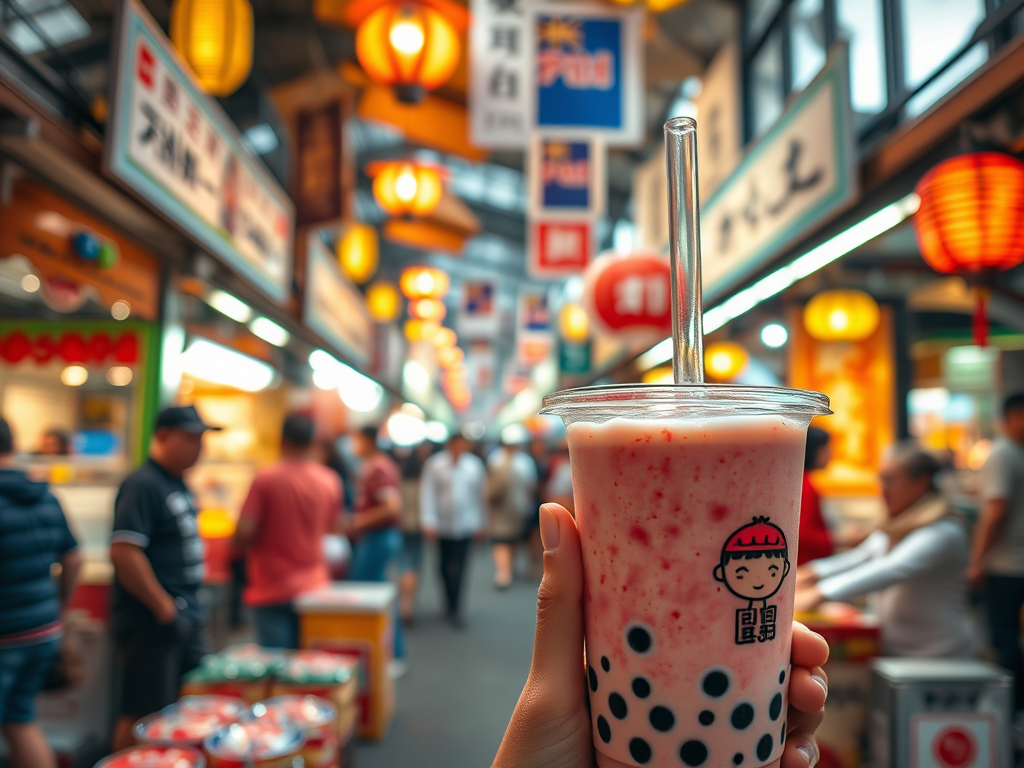
I’ve spent over a decade of my life trying to understand what it means to be Taiwanese and to belong to the Taiwanese community. Growing up, my parents found joy in sharing our culture. One of my fondest early memories is skipping recess in third grade to help them carry trays of homemade boba for my class’s end-of-year party. That moment stuck with me—not just because of the sugar high, but because it felt like a celebration of who we were. In time, I adopted that same instinct. I wanted to bring Taiwan to the world around me; I wanted to “capture the essence of Taiwan.”
Those words now serve as the mission statement of my cultural project, ABTaiwan (about Taiwan). Yet even after years of promoting Taiwanese culture and building a community around it, I still couldn’t confidently answer my friend. I didn’t know what it truly meant to be Taiwanese beyond this inarticulate passion for sharing. And I wasn’t alone. After learning about the life stories of hundreds of Taiwanese Americans, American Taiwanese, and Taiwanese citizens, I found no single, coherent answer.
Taiwan, or so I am told, is defined by “happiness,” “love,” “democracy,” “freedom,” “resilience,” and, from jokesters, “not Thailand.” While I respect these characterizations, they feel quite nondistinctive. After all, any community can project “happiness” and “love”; any politically independent state can claim “freedom” and “democracy”; any people who’ve endured struggle are righteously “resilient.” And yes, Taiwan is definitely “not Thailand.”
Reflecting on the common threads behind every single one of the identity interviews I’ve had the privilege of conducting, and the even more cultural discussions I’ve participated in, I came to realize that this identity was one of pride: to be Taiwanese means to be proud.
Across all of these conversations, I’ve never encountered a Taiwanese person who wasn’t proud of their identity. To identify as Taiwanese, especially in a world that demands ethnic justification, is an act of prideful intention. It implies a level of cultural connection that transcends some birthplace or passport. And if someone contends that Kuomintang supporters who seek reunification with China are an exception, I’d encourage them to think again: for they likely wouldn’t identify as Taiwanese; rather, they’d consider themselves Chinese, but from the “breakaway province” of Taiwan.
While the legitimacy of Taiwan’s nationhood remains contested, I’d contend that the Taiwanese identity is legitimate. Despite the lack of formal recognition by much of the world, we’ve asserted ourselves with such persistent pride that a kind of de facto recognition has emerged. For many, to be Taiwanese isn’t about geopolitics; it’s about cultural and personal affirmation. It’s about being proud—it’s something to be proud of.
This pride reveals itself in the smallest things: the way our grandparents insist on preserving familial recipes from generations past; the way our language weaves Mandarin, Hokkien, and Indigenous dialects into something uniquely Taiwanese; and the way our communities around the world actively participate in the sharing of our culture—just like my parents.
Even historically, our continuous resilience against centuries of subjugation has cemented our pride—not as one of superiority, but as one of survival. Taiwaneseness is a pride that resists erasure. It’s a pride that is always held firm, even when our daily lives are filled with the fear of military conflict. It’s a pride that influences global politics, shown in how our international diaspora often votes based solely on a candidate’s stance on Taiwan. It’s a pride that fuels our appreciation for international movements pushing for Taiwan’s recognition. It’s a pride that will never shout—but will not be silenced.
Two days later, I replied to my classmate: “It means to be proud.”
And in finally saying it, I realized I’d known it all along.
 ABTaiwanProject
Leave a comment